
What is a Shoulder or Glenoid Labral Tear?
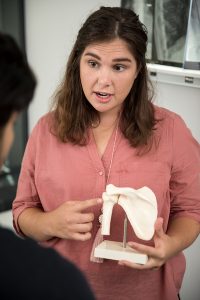 A labral tear is where there is a split or rupture in the cartilage that functions to add stability to the shoulder.
The shoulder is made up of the shoulder blade (scapula), arm bone (humerus) and collar bone (clavicle). 4 joints/articulations make up the shoulder joint with the glenohumeral joint (between the scapular and the humerus) proving the most range of motion.
The shoulder’s glenohumeral joint is a ball and socket joint but when compared to other joints in the body the glenoid makes a poor socket. The glenoid labrum is a fibrocartilage rim that sits around the glenoid to add 50% more depth to the socket to and deepen where the ‘ball’ or humeral head sits.
If you’re not up for reading the whole article check out this short video with Dr Abbey Davidson (Osteopath):
Types of labral tears:
There are 3 types of labral injuries. SLAP lesions, Bankart lesions and posterior lesions.

The acronym SLAP stands for superior labral tear anterior to posterior which involves the top of the labrum being damaged from front to back. The long head of biceps tendon is continuous with the labrum and is involved in SLAP type lesions. This will often occur as an overuse type injury (e.g. throwing sports, swimmers, painters, etc.).
Bankart Lesions describes damage to anterior inferior labrum or the lower front portion.. This type of injury is often associated with acute trauma or injury (e.g. falling on outstretched hand, sudden tugs, dislocations, etc.). This can lead to anterior instability and repetitive dislocations if not properly addressed.
Rarely there can be posterior labral tears or ‘Reverse Bankart’ lesions which involves damage to the back portion of the cartilage ring. This type of injury will occur when the humerus translates too far posteriorly and damages
Causes of labral tears:
 Labral tears can occur for a number of reasons.
Common causes include repetitive overhead motions (e.g. throwing sports, swimming, etc) and acute trauma (falling on outstretched hand, car accidents, sudden tugs, etc).
What are symptoms of a labral tear?
Common symptoms that may suggest you are suffering from a labral tear include:
- Deep Shoulder pain
- Aggravated with activity
- Feelings of Instability
- Restricted shoulder range of motion
- Clicking/popping/snapping/locking sensations
- Shoulder Weakness
Labral tears decrease the stability of your shoulder and can increase the likelihood of shoulder dislocation. If you believe you may be suffering from a labral tear it is important to be assessed by a professional (physiotherapist, osteopath or GP).
What you can do right now for a labral tear?
After a labral injury there are a few thing you should be doing to give yourself the best chance of recovery. These include resting, reducing inflammation and strengthening the shoulder.
Resting after initial injury can reduce inflammation, pain levels, further damage and decrease risk of possible dislocation. This may mean avoiding aggravating sports/trainings or occupational tasks. In some more severe cases it may be recommended that you use a sling to take all pressure off the shoulder joint.
In the first 24-48 hours after injury it is important to keep inflammation and pain levels to a minimum. Applying a wrapped icepack for 20 minute on and off intervals over the shoulder may be helpful. Anti-inflammatory gel application could also be considered. Consult your GP before taking anti-inflammatory medications.
Strengthening exercises like those demonstrated in the video at the top of page or personalized ones prescribed by your physio or osteo will help to re-stabilize your shoulder. This will be helpful while your labrum is repairing and in the future to decrease the chances of re-injury.
How is a labral tear diagnosed?
 A physiotherapist or osteopath will ask you questions in regards to your symptoms and establish a clear idea of your injury type. They will then perform a series of range of motion tests and orthopedic stress tests to rule in or rule out a labral tear. It is likely that if a labral tear is suspected you will be sent for imaging (MRI or CT scan) to confirm.
Physio and osteo treatment for a labral tear:
 Once your physio or osteo has assessed and diagnosed you with a labral tear they will spend time thoroughly explaining the condition to you and what your management plan will entail.
Hands on treatment will involve improving range of motion, decreasing pain and decreasing muscular tension. In addition exercise prescription will aim to stabilise and strengthen the muscles of and around the shoulder. It is important that you participate in these exercises diligently so you can get back to your favourite activities as soon as possible.
How long until a labral tear gets better?
Recovery from a labral tear varies as cartilage has poor blood supply which can limit self-healing. Initially conservative measures involve managing pain and inflammation, active rest, ROM and stability exercises. Generally recovery will take 6 weeks to 3 months depending on the severity of the initial injury and compliance to a management plan.
If not enough improvement is seen corticosteroid injections or arthroscopic surgery can be performed to reattach or remove pieces of damaged cartilage.
By Sydney CBD Osteopath Dr Abbey Davidson


